
Interactive DemoCervical MRI · Disc Herniation
Cervical Disc Herniation
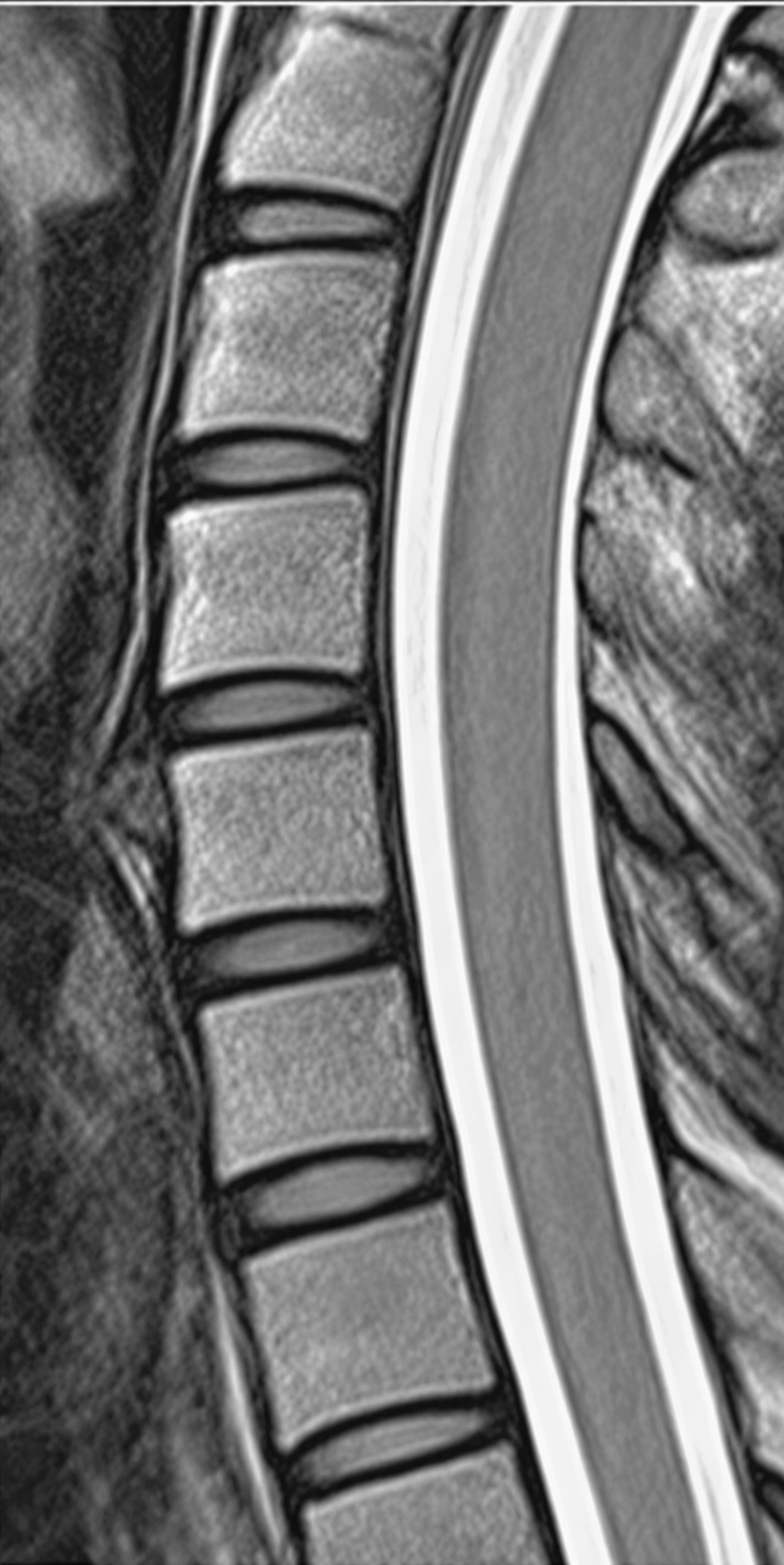
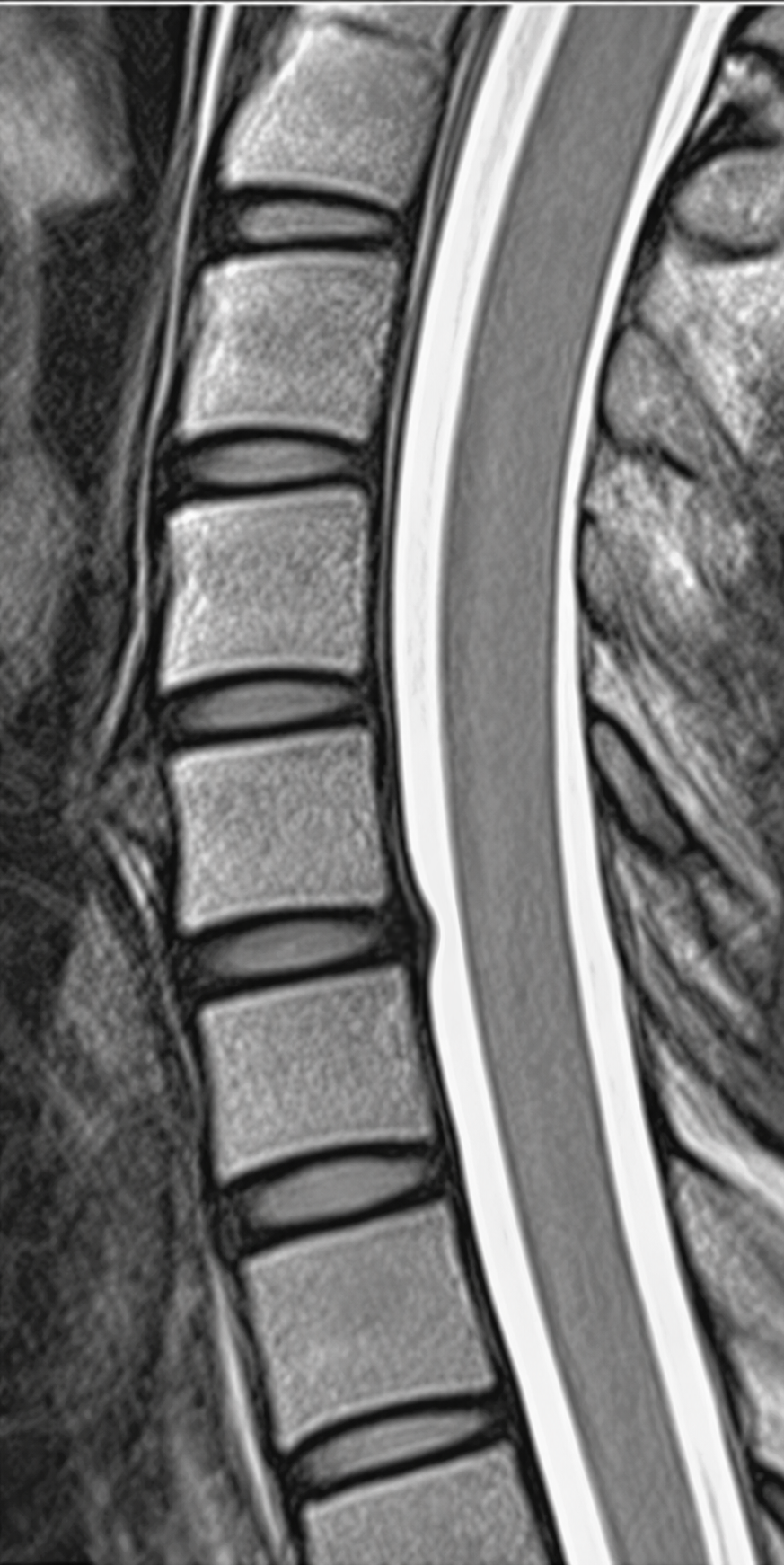
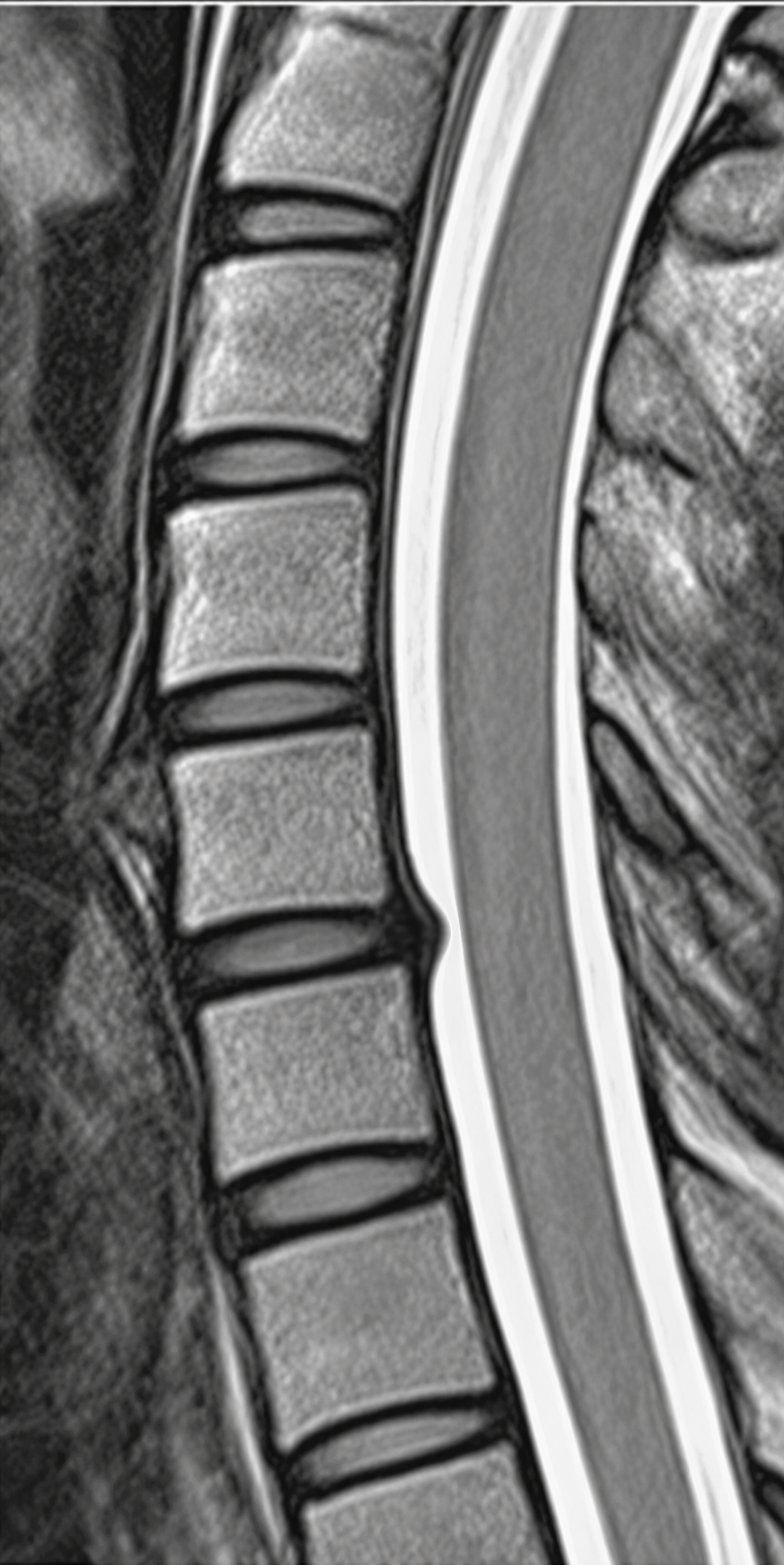
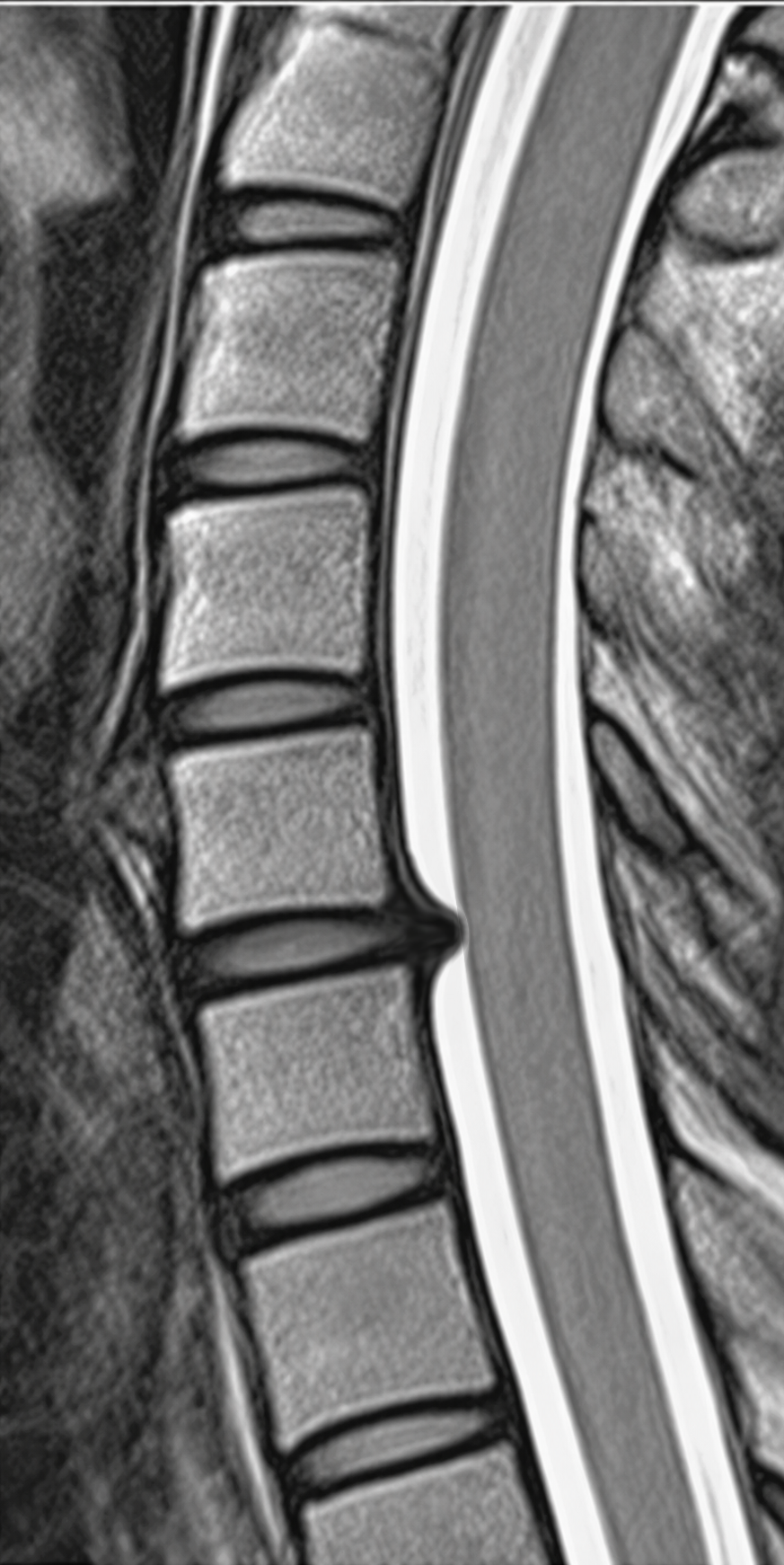
About Cervical Disc Herniation
A cervical disc herniation happens when the soft center of a neck disc pushes through its tough outer wall. Each disc sits between two bones of the neck and works like a small shock pad. Wear over time, an injury like whiplash, or lifting with the neck bent forward can tear the outer wall and let the soft center squeeze out. As we age, the discs lose water and get thinner, so they tear more easily.
An MRI shows the disc, how far it has pushed out, and how much room the nerve still has. It often starts as neck pain that travels into the shoulder, arm, or hand, with numbness, tingling, or weakness. Treatment usually starts with gentle care: rest from painful positions, chiropractic, rehabilitation and if bad, steroids. Most people get better without surgery.
Normal Cervical Disc
Stage · Normal
- Disc stays within its normal border
- Spinal canal remains open
- No pressure on nearby nerves
- Normal space around the spinal cord
This is one screen of one module. The full platform puts every condition at your fingertips.